

Sewage Damage Restoration Denver requires a multi-step process: immediate detection and repair, rigorous decontamination, professional technicians for safe restoration. Key steps include containment, assessment, specialized decontaminating techniques, structural drying, and long-term prevention strategies. Quick response, regular maintenance, and expert intervention minimize health risks, mold growth, and property damage. Trusted Sewage Damage Restoration Denver professionals ensure thorough recovery to pre-loss conditions.
Sewage damage restoration is a critical service in Denver, where rapid response and expert handling can mitigate substantial property losses and health risks. Sewage, a complex mixture of water, organic matter, and pathogens, poses significant challenges when it infiltrates homes or businesses. Prompt action is essential to prevent the growth of dangerous bacteria and mold, safeguarding both occupants and structures. This article delves into best practices for sewage cleanup Denver residents and professionals should employ, ensuring comprehensive restoration and minimizing disruption.
- Understanding Sewage Damage Restoration Denver
- Immediate Steps After a Sewage Backup
- Safe Disinfection and Deodorization Techniques
- Structural Drying and Repair Process
- Expert Assessment and Planning for Recovery
- Preventing Future Sewage Damages in Denver Homes
Understanding Sewage Damage Restoration Denver
Sewage damage restoration in Denver requires a multifaceted approach due to the complex nature of sewage contaminant removal. When a sewer line fails or leaks, it can lead to significant water damage and pose health risks. Understanding the process is crucial for effective response and mitigation. The first step in Sewage Damage Restoration Denver involves immediate detection through advanced technology designed to pinpoint the source and extent of the leak. This early intervention is key to minimizing damage and preventing further contamination.
Once detected, sewer line repair or replacement becomes a critical component of the restoration process. Expert technicians assess the situation, determining whether a simple repair or complete replacement is necessary. For instance, small-scale issues may be addressed by relining the pipe, while extensive damage might require laying new pipes. This phase demands meticulous planning and execution to ensure structural integrity and prevent future leaks.
After the physical repairs, the focus shifts to decontaminating affected areas. Professional restoration teams employ specialized equipment and cleaning agents to eliminate harmful bacteria, viruses, and other sewage contaminants. This rigorous process not only restores properties but also guarantees a safe environment for residents. Data from local health departments underscores the importance of proper sewage contaminant removal: swift action can significantly reduce the risk of disease transmission associated with water damage.
For effective Sewage Damage Restoration Denver, property owners should engage reputable professionals equipped to handle all aspects, from leak detection and repair to advanced decontamination techniques. Timely intervention and expert guidance are paramount to restoring not just structures but also peace of mind in the aftermath of sewage-related incidents.
Immediate Steps After a Sewage Backup
In the immediate aftermath of a sewage backup, swift action is crucial for minimizing damage and preventing further complications. Homeowners in Denver, CO, facing such situations should prioritize safety first and then begin the process of sewage damage restoration Denver services can provide. The initial steps involve containing the spill to prevent its spread, turning off water supplies to affected areas, and ventilating the space to eliminate any noxious fumes. It’s essential to wear protective gear, including gloves, boots, and masks, to safeguard against potential health risks associated with raw sewage.
Next, document the damage through photos or videos for insurance purposes. This detailed record will assist in the claims process and aid in coordinating with professional sewer burst restoration services. Do not attempt to clean up the mess yourself; instead, contact a reputable company specializing in sewage cleanup safety protocols. These experts possess the necessary equipment and training to handle such situations effectively. They will assess the extent of the damage, remove contaminated materials, disinfect the area, and restore your property to its pre-incident condition using advanced techniques and products.
For instance, a study by the National Sanitation Foundation revealed that untreated sewage water contains pathogens and bacteria that can cause severe health issues. Therefore, professional intervention is vital to ensure safe and thorough sewage cleanup. Homeowners should remember that restoring their home after a sewage leak extends beyond surface cleaning; it involves addressing structural elements, plumbing systems, and potential mold growth resulting from prolonged moisture. Regular communication with restoration specialists ensures the process stays on track, adhering to industry standards and best practices for sewage damage restoration Denver residents rely on.
Safe Disinfection and Deodorization Techniques
When addressing sewage damage restoration in Denver, safe disinfection and deodorization techniques are paramount to ensure a thorough and effective cleanup. The first step after emergency Denver sewage removal is assessing the extent of contamination. Sewage contaminant removal requires specialized equipment and knowledge to mitigate health risks associated with raw or partially treated sewage. For instance, a study by the Centers for Disease Control (CDC) highlights that sewage can harbour diverse pathogens, including bacteria, viruses, and parasites, which can pose significant threats to human health if not handled properly.
Professional Denver sewage extraction companies employ advanced methods such as thermal decontamination, ultraviolet (UV) disinfection, and hydrogen peroxide treatments. These techniques effectively eliminate pathogens and contaminants while ensuring a safe environment for restoration workers and future occupants. For example, UV light has proven effective against a wide range of microorganisms, making it a popular choice for deodorization and disinfection in confined spaces. Data from industry reports suggest that proper deodorization can reduce sewage odors by over 95%, significantly improving indoor air quality.
In addition to advanced disinfection methods, these companies utilize high-efficiency particulate air (HEPA) filters and negative pressure ventilation systems to control odor and airborne contaminants. These measures are crucial for sensitive areas like residential homes, commercial buildings, and public spaces. By following these best practices in sewage damage restoration Denver, professionals ensure that affected areas are not only clean but also safe for reoccupation, preventing further health risks and ensuring a swift return to normalcy.
Structural Drying and Repair Process
Sewage damage restoration in Denver involves a meticulous structural drying and repair process to ensure homes are safe and healthy for occupants. This critical step follows immediate containment to prevent further contamination. Water damage restoration specialists employ advanced equipment like dehumidifiers, air movers, and moisture meters to gauge and mitigate humidity levels effectively. The goal is to reduce moisture content below 30%, minimizing the risk of mold growth and ensuring structural integrity.
Residential sewage damage repair necessitates a systematic approach. First, professionals assess the extent of the damage, identifying affected areas and materials. Then, they implement a structured drying plan tailored to each scenario. For example, hardwood floors may require specialized care to avoid warping, while drywall might need to be thoroughly dried and potentially replaced if severely damaged. The process involves careful disposal of contaminated materials and decontamination to meet health and safety standards.
Prevention is equally vital in home sewer backup management. Regular maintenance like cleaning drain lines and replacing old pipes can significantly reduce the risk of backups. Homeowners should also install backflow preventers to stop sewage from flowing back into clean water supplies. Quick response to potential issues, such as odd smells or slow drains, can forestall severe sewage damage. Engaging Denver’s experienced water damage restoration specialists for residential sewage damage repair ensures a thorough and efficient process, minimizing disruption and facilitating a swift return to normalcy.
Expert Assessment and Planning for Recovery
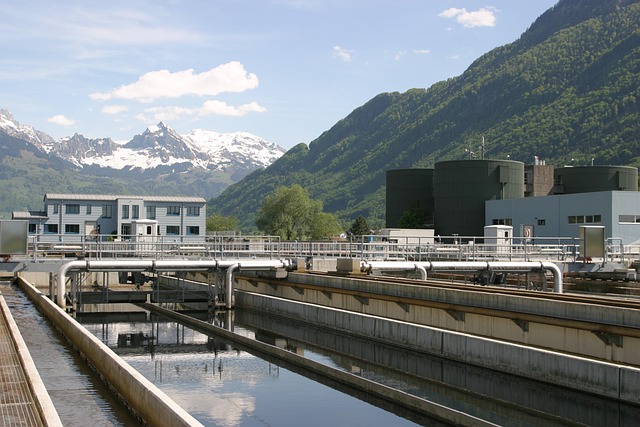
When facing sewage damage in Denver, proper assessment and planning are crucial for effective recovery. Experts emphasize the importance of a systematic approach, beginning with a thorough inspection to identify the source and extent of the contamination. This initial step is vital as it determines the most suitable remediation methods and helps prevent further mold growth and health risks associated with sewage exposure.
Sewage cleanup goes beyond mere water removal; it involves addressing the intricate web of potential issues that arise from contaminated environments. For instance, a home sewer backup can lead to not only property damage but also foster conditions conducive to mold removal in Denver, which is a significant concern following sewage contamination. According to local health department data, over 50% of homes affected by sewage spills experienced subsequent mold-related issues within six months if left unaddressed. Therefore, prompt and professional intervention is essential to mitigate these risks.
The planning phase should encompass a comprehensive strategy for decontaminating the affected areas, including the use of specialized equipment and advanced remediation techniques. This may involve chemical treatments, air purification, or even structural repairs to prevent long-term damage. For instance, sewage contamination remediation experts often employ dehumidifiers to reduce moisture levels, which not only aids in mold removal but also minimizes the risk of structural instability. By combining these measures with effective home sewer backup prevention tactics, residents can ensure their properties are restored safely and thoroughly.
Preventing Future Sewage Damages in Denver Homes

Preventing future sewage damages in Denver homes is a critical aspect of Sewage Damage Restoration Denver that requires a multifaceted approach. The first step involves understanding the common causes of sewage issues, such as outdated plumbing, heavy rainfall, or accidental damage. For instance, in the face of increasingly severe weather events, older sewer systems in Denver may struggle to cope, leading to backups and potential leaks. Regular maintenance checks by professional plumbers can identify and rectify these problems before they escalate. Homeowners should also be vigilant about what goes down the drain, avoiding disposal of non-biodegradable materials that can clog pipes.
Once a sewage incident occurs, swift action is essential. The initial step in Sewage Damage Restoration Denver is to contain and remove the source of the contamination. This involves meticulous sewage removal for homes, ensuring that all affected areas are thoroughly cleaned. Professional restoration services employ specialized equipment to dry out after sewage flood, mitigating mold growth and potential health risks. For example, a study by the Environmental Protection Agency (EPA) found that prompt action within 48 hours of water damage significantly reduces the likelihood of secondary damage and health hazards.
After the immediate cleanup, the process of restoring home after sewage leak begins. This includes sanitizing surfaces, replacing contaminated materials, and repairing or replacing plumbing. Homeowners should work with trusted restoration companies that employ proven methods and products for sewage damage restoration Denver. Restoration specialists understand the importance of thorough decontamination, using advanced techniques to restore homes to their pre-loss condition. By following these best practices, Denver residents can protect their homes from future sewage damages and ensure a healthier, safer living environment.
Sewage Damage Restoration Denver involves a multi-step process that requires immediate action, expert assessment, and meticulous cleaning and repair. Key insights include prioritizing safety through proper disinfection techniques and structural drying to mitigate mold growth. Understanding the importance of planning for recovery and preventing future damage through proactive measures is paramount. By following these best practices, residents can ensure their homes are restored effectively, minimizing disruption and cost. This article equips homeowners with the knowledge to navigate Sewage Damage Restoration Denver, emphasizing the need for professional assessment and a comprehensive approach to restoring living spaces safely and thoroughly.