

Sewage damage in Denver poses significant risks to properties and health due to aging pipes, tree roots, and blocked drains. Quick professional Sewage Damage Restoration Denver services are crucial for preventing mold and health hazards. Regular pipe inspection and maintenance, proactive measures like trap primers and camera inspections, and immediate action upon leaks or backups minimize damage. Businesses should prioritize disaster preparedness training. Proactive maintenance and expert assistance significantly reduce restoration expenses.
In the bustling landscape of Denver, unexpected events can cause severe sewage damage, posing significant risks to property and health. Effective prevention strategies are crucial for homeowners and businesses alike to safeguard their investments and ensure swift response when incidents occur. This article delves into the intricate world of sewage damage restoration Denver, offering a comprehensive guide on proactive measures and effective solutions to mitigate these challenges. By understanding the root causes and implementing practical tips, you can protect your property from potential sewage-related disasters.
- Understanding Sewage Damage in Denver: Common Causes
- Proactive Measures: Preventing Sewer Backups at Home
- Post-Crisis Cleanup: Effective Sewage Damage Restoration Denver
Understanding Sewage Damage in Denver: Common Causes

Sewage damage in Denver can have severe consequences for both residential and commercial properties, leading to costly repairs and potential health hazards. Understanding the common causes of sewage damage is the first step towards prevention. The primary culprits include sewer line bursts, which are often due to aging pipes, tree root intrusion, or ground shifting. For instance, a 2018 study by the City of Denver revealed that nearly 40% of sewer line breaks were attributed to tree roots encroaching on pipe structures. Additionally, blocked drains and overflows from nearby sewer systems can cause rapid damage during heavy rainfall or snowmelt, highlighting the need for effective drainage solutions.
Another significant factor is the quick response required during disaster cleanup and restoration in Denver. Immediate action is crucial to minimize water intrusion and prevent mold growth, a common aftereffect of sewage damage. According to the Colorado Department of Public Health and Environment, improper handling of sewer backups can lead to the proliferation of harmful bacteria and fungi, posing risks to residents’ health, especially those with compromised immune systems. This underlines the importance of engaging professional disaster cleanup services in Denver that specialize in sewage damage restoration and offer emergency response 24/7.
Moreover, Denver’s unique climate presents specific challenges. The city’s cold winters can lead to frozen pipes, which, upon thawing, may cause significant leaks and sewer-related issues. Similarly, heavy spring snowmelt can exacerbate existing pipe problems. Homeowners should consider regular inspection and maintenance programs that include checking for signs of pipe corrosion, leaks, or root intrusion. Early detection can prevent small issues from turning into major disasters. For businesses, regular training sessions on disaster preparedness, including sewage damage response, are essential to ensure minimal downtime and effective operations recovery.
Proactive Measures: Preventing Sewer Backups at Home
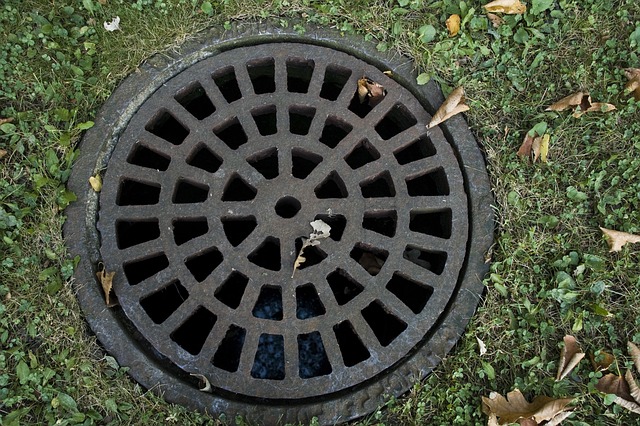
Preventing sewage damage is a crucial aspect of home maintenance, especially in areas prone to flooding or with aging infrastructure like Denver. One of the key strategies to avoid severe Sewage Damage Restoration Denver residents often face is proactive prevention of sewer backups at home. This involves understanding common causes and implementing simple yet effective measures.
Sewer backups can occur due to various factors, including tree roots intruding into pipes, grease buildup, or debris blocking the flow. Commercial Restoration Denver experts recommend regular maintenance to prevent these issues. One practical step is to install trap primers, which keep water in the trap and prevent vapors from entering your home. Additionally, using drain covers can catch hair, food particles, and other common blockages. For homes with older plumbing, regular camera inspections can identify potential problems before they lead to major backups.
In cases of a sewage leak or backup, immediate action is vital. Contacting an expert sewer damage restoration service like those available in Denver is essential for effective cleanup and restoration. These professionals employ advanced techniques and equipment to mitigate mold growth and restore your home to its pre-damaged condition. For instance, they use specialized drying equipment to ensure all affected areas are thoroughly dried, reducing the risk of structural damage or health issues. By addressing sewage backups proactively and seeking professional assistance when needed, Denver residents can minimize the chances of experiencing severe Sewage Damage Restoration and maintain a safe, healthy living environment.
Post-Crisis Cleanup: Effective Sewage Damage Restoration Denver

Sewage damage in Denver can have severe consequences for both residential and commercial properties. Following a crisis like a plumbing failure or flood, prompt and effective sewage removal is crucial to prevent extensive water damage and potential health hazards. In such situations, it’s essential to rely on professional Sewage Damage Restoration Denver services for efficient cleanup and restoration.
The first step in post-crisis cleanup is 24-hour emergency sewage removal. Time is of the essence; the longer sewage remains, the greater the risk of mold growth, bacteria proliferation, and structural damage. Denver’s unpredictable weather patterns necessitate rapid response times, with many service providers offering around-the-clock availability to cater to urgent needs. These professionals employ specialized equipment, such as powerful pumps and vacuums, to swiftly extract sewage from affected areas, minimizing further contamination.
Once the immediate removal is complete, a thorough decontamination process begins. This involves sanitizing and disinfecting all surfaces, including walls, floors, and fixtures, using industry-approved cleaning solutions. For businesses, regular sewage removal—whether 1-3 times per year or more frequent as required—is vital to maintain a safe, healthy environment for employees and customers. Regular maintenance also helps prevent costly repairs down the line due to prolonged water damage. Data from local insurance claims suggest that proactive sewage removal can significantly reduce restoration costs by mitigating secondary damages like mold remediation and structural repairs.
By understanding the common causes of sewage damage in Denver and implementing proactive measures, homeowners can significantly reduce the risk of sewer backups. Regular maintenance, such as clearing drainages and installing guards, is crucial. In the event of a crisis, prompt action is key; contact professionals specializing in Sewage Damage Restoration Denver for efficient and thorough cleanup to prevent further contamination and structural damage. This article equips readers with essential knowledge and practical steps to protect their homes from sewage-related incidents, ensuring peace of mind and minimizing potential losses.