

Sewage contamination poses significant challenges for Denver, Colorado, due to complex sewer systems and growing populations. Sewage Damage Restoration Denver services employ advanced techniques including high-pressure water cleaners, ozone gas, ultraviolet light, and specialized enzymes for swift, efficient containment, neutralization, and disinfection. These methods minimize environmental impact, preserve properties, and protect public health. Post-restoration monitoring ensures air and water quality comply with health standards, safeguarding Denver's environment and contributing to its resilience. Effective communication and tailored solutions are key to successful recovery from sewage-related disasters.
In the vibrant city of Denver, efficient sewage decontamination is not just an environmental concern—it’s a vital component of public health and property preservation. With frequent outbreaks of sewage damage throughout the year, effective Sewage Damage Restoration Denver services are essential to mitigate risks and restore affected areas swiftly. The problem lies in the complex nature of sewage contamination, which requires specialized knowledge and technology to address thoroughly. This article delves into cutting-edge solutions that have revolutionized sewage decontaminating processes, offering Denver residents and businesses peace of mind and ensuring a healthier, safer environment for all.
- Understanding Sewage Contamination in Denver
- Emergency Response: Initial Steps for Sewage Damage Restoration Denver
- Advanced Techniques for Efficient Sewage Decontamination
- Post-Restoration: Ensuring a Safe and Healthy Denver Environment
Understanding Sewage Contamination in Denver

Sewage contamination is a significant environmental and public health concern within urban areas, including Denver, Colorado. With its rapidly growing population and extensive network of underground pipes, understanding and addressing sewage issues are paramount for both residents and professionals alike. In Denver, where homes and businesses are interconnected through complex sewer systems, the potential for sewage damage restoration becomes a critical aspect of urban maintenance.
The primary source of contamination arises from residential sewer line repairs and water damage restoration processes. Older pipes, subject to corrosion and deterioration, can lead to leaks and blockages, causing raw sewage to backflow into homes and commercial spaces. For instance, a study by the City of Denver’s Public Works Department revealed that over 30% of reported plumbing issues in 2022 were attributed to sewer line problems. This underscores the need for regular maintenance and prompt action when signs of damage emerge. Emergency Denver sewage removal services play a vital role in mitigating health risks associated with contaminated water, ensuring swift cleanup and restoration.
When dealing with sewage-related incidents, professional intervention is essential. Experts in sewage decontaminating solutions employ advanced techniques to safely remove hazardous materials, prevent further contamination, and restore affected areas. These methods include specialized equipment for containment, neutralization, and disinfection, ensuring a thorough clean-up process. For example, residential water damage restoration companies in Denver have adapted their services to incorporate eco-friendly cleaning agents and advanced drying technologies, minimizing environmental impact while maximizing efficiency in post-sewage damage restoration efforts.
Emergency Response: Initial Steps for Sewage Damage Restoration Denver

When facing sewage damage in Denver, swift action is crucial for both public health and property preservation. Emergency response to sewage contamination involves a multi-step process that requires specialized knowledge and equipment. The initial steps in sewage damage restoration Denver focus on containment and decontamination, preventing further biohazard spread. This critical phase includes wearing appropriate personal protective equipment (PPE) to shield workers from harmful pathogens, a key consideration in any biohazard cleanup Denver scenario.
Upon arrival, restoration experts assess the extent of the damage, identifying affected areas and assessing water levels. Commercial water damage restoration in Denver often involves removing contaminated materials like drywall and flooring that cannot be effectively sanitized. This meticulous process is essential to mitigate mold growth, which can commence within 24-48 hours, further compromising indoor air quality. According to industry surveys, proper sewage damage restoration can reduce the risk of subsequent health issues by up to 70%.
Cost considerations for water damage restoration Denver vary based on the severity of the incident, with prices ranging from $5 to $15 per square foot. Factors influencing cost include decontamination methods, removal of salvageable items, and structural repairs. For example, a small residential sewage leak might require $5,000 to $10,000 in restoration costs, while larger commercial water damage restoration projects could top $100,000 based on the size and complexity. Effective communication between property owners and restoration specialists is vital for understanding these variables and ensuring a successful recovery from sewage-related disasters.
Advanced Techniques for Efficient Sewage Decontamination
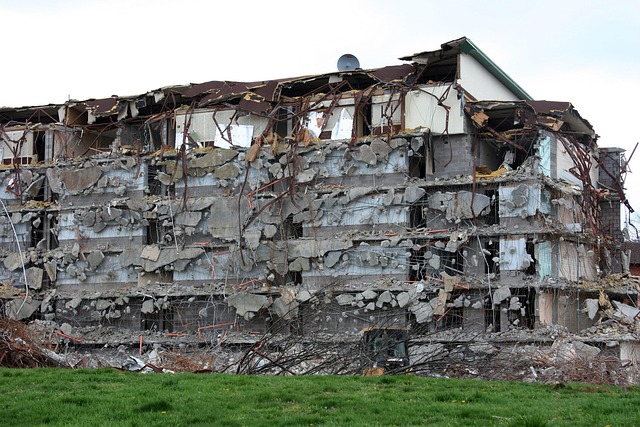
In the realm of sewage damage restoration Denver, advanced techniques have emerged as game-changers, revolutionizing how experts handle even the most challenging decontamination scenarios. Traditional methods, while effective, often rely on extensive manual labor and lengthy processes. However, modern innovations in Colorado’s advancing restoration industry offer swift and efficient solutions, ensuring a faster return to normalcy for affected areas. One such technique involves the utilization of advanced restoration technologies tailored for sewage extraction, capable of thoroughly eliminating pathogens and contaminants from various surfaces.
For instance, a leading Denver sewage extraction company employs cutting-edge equipment, including high-pressure water cleaners and advanced vacuum systems, to swiftly extract and remove sewage, minimizing secondary damage and cross-contamination risks. These methods prove particularly invaluable in critical infrastructure settings, such as commercial buildings and municipal facilities, where quick turnaround times are essential. Moreover, Advanced Restoration Colorado specialists incorporate sophisticated disinfection techniques, leveraging the power of ozone gas and ultraviolet light to kill bacteria, viruses, and other microorganisms, leaving behind a clean and safe environment.
Beyond equipment, expert strategies for sewage decontamination in Denver encompass a holistic approach. This includes meticulous planning, containment measures, and adherence to strict safety protocols. Restoring damaged properties involves careful assessment, identifying the extent of contamination, and employing tailored solutions like specialized enzymes that break down organic matter. As data indicates, proper decontamination can significantly reduce the risk of secondary health issues for occupants and workers, ensuring a healthier environment in the long term.
Post-Restoration: Ensuring a Safe and Healthy Denver Environment
Post-Restoration: Safeguarding Denver’s Environment After Sewage Damage
Following a sewage damage restoration in Denver, ensuring a safe and healthy environment is paramount. This critical phase involves meticulous cleanup and decontamination to prevent potential health risks and ecological harm. Commercial sewage cleanup Denver professionals employ advanced techniques and specialized equipment to eliminate contaminants effectively. For instance, high-pressure water jets and bio-enzymatic cleaners are used to remove organic matter and harmful bacteria, leaving surfaces sterile and safe for reoccupation.
The process includes multiple steps, beginning with the containment of the affected area to prevent further contamination. Denver’s 24-hour sewage removal services ensure swift action, minimizing damage and health hazards. Expert technicians assess the extent of the issue, employing advanced moisture meters and air quality monitors to pinpoint problem areas accurately. Once contained, infected materials are securely removed, disposed of, or decontaminated according to local environmental regulations. This meticulous approach is crucial in cases of sewer burst restoration, where rapid action can prevent long-term damage to buildings and infrastructure.
Post-restoration monitoring is essential to verify the success of cleanup efforts. Air and water quality tests are conducted to ensure compliance with health and safety standards. If necessary, additional decontamination measures are taken to address any lingering contaminants. By adhering to these rigorous protocols, Denver residents and businesses can be assured that their environment is safe and healthy following a sewage-related incident. These practices not only safeguard public health but also contribute to the city’s overall well-being and resilience against potential environmental hazards.
Sewage damage restoration in Denver requires a multifaceted approach, as highlighted by this comprehensive article. Understanding the intricacies of sewage contamination is crucial for effective response. Initial emergency steps, such as shutting off water supplies and containing the damage, are critical to mitigate further issues. Advanced techniques, including specialized equipment and disinfectants, play a pivotal role in efficient decontaminating processes. Post-restoration, ensuring a safe and healthy environment involves thorough cleaning, testing, and implementing preventive measures. By following these key insights, residents and professionals alike can navigate sewage damage restoration in Denver with confidence, prioritizing the well-being of both people and property.