

Sewage Damage Restoration Denver requires immediate action upon detecting leaks or backups to prevent extensive water damage and health risks. Key steps include source identification, extraction using specialized pumps, decontamination with eco-friendly solutions, and professional repair of water intrusion damage. Regular maintenance, including pipe inspections every 3-5 years, and quick response to issues like root infiltration, are crucial for effective prevention. Post-cleanup, a structured restoration process ensures mold removal, drying, rebuilding, and maintenance checks to prevent recurrence. Reputable Denver services adhere to strict protocols, using advanced techniques for detection and extraction, to restore properties safely and thoroughly.
In the dynamic city of Denver, swift and effective sewage damage restoration is not just a service—it’s a critical component of maintaining safe, livable spaces. Sewage can cause severe health hazards and property damage, necessitating prompt professional intervention. When faced with these challenges, residents and businesses in Denver turn to experts who understand the intricacies of sewage extraction and restoration. This article delves into the top-rated services available, offering valuable insights into how to navigate this crucial process, ensuring not just effective cleaning but also a swift return to normalcy for Denver residents.
- Understanding Denver's Sewage Extraction Process
- Identifying Signs of Sewer Damage in Your Home
- The Role of Professional Sewage Damage Restoration Denver
- Step-by-Step Guide to Effective Sewage Cleanup
- Preventing Future Sewer Backups: Tips & Tricks
Understanding Denver's Sewage Extraction Process

Understanding Denver’s Sewage Extraction Process is paramount when dealing with water damage restoration, especially after emergency Denver sewage removal events. The city, known for its vibrant landscape, also faces the challenge of rapid and efficient sewage cleanup, particularly in commercial spaces. When a sewer line bursts or overflows, it demands immediate action to prevent extensive property damage. Professional Sewage Damage Restoration Denver services play a crucial role in these situations.
The process typically involves several steps, each requiring specialized equipment and knowledge. First, the source of the leak is identified, whether it’s a burst pipe under a commercial building or a faulty connection. Once located, the damaged area is secured to prevent further contamination. Next, experts employ advanced pumping techniques to extract the sewage water, ensuring minimal disruption to business operations. For instance, high-pressure pumps can quickly remove large volumes of water, while vacuum systems are used for more confined spaces. After extraction, thorough cleaning and decontamination take place using environmentally friendly solutions. This step is vital to mitigate health risks associated with raw sewage exposure.
Effective communication and documentation are key during the entire process. Home and business owners should receive regular updates on progress, especially regarding estimated completion times and costs. Following successful sewage removal and cleanup, Roof Restoration Denver services can help repair any damage caused by water intrusion, ensuring a complete restoration. It’s important to choose reputable companies that adhere to industry standards and certifications for Sewage Damage Restoration Denver, guaranteeing a thorough, safe, and professional service.
Identifying Signs of Sewer Damage in Your Home
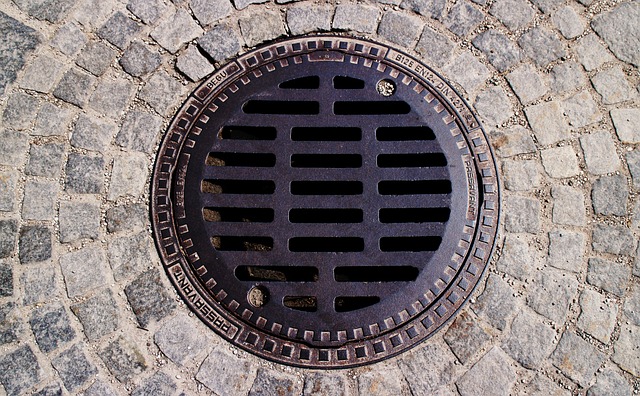
Identifying signs of sewage damage early is crucial for effective Denver sewage extraction and restoration. Homeowners often overlook subtle indicators, assuming minor leaks or odors are normal. However, rapid action can mitigate extensive water damage and prevent mold growth. Common signs include persistent bad smells, especially around drains; visible stains or peeling paint on walls and ceilings; and warped floors or sagging ceilings. If you suspect sewage backup, it’s paramount to contact emergency Denver sewage removal services immediately.
In many cases, heavy rainfall or flooding can lead to sewage cleanup after events like these, residents may not realize the extent of the damage until it’s already begun. Timely intervention is key; waiting can result in costly repairs and health hazards due to bacterial growth. A professional Sewage Cleanup Denver service will assess the situation, safely extracting contaminated water and debris while implementing effective restoration techniques to return your home to pre-damage conditions.
For instance, a recent study by the National Association of Home Builders found that over 50% of homeowners didn’t have flood insurance, leaving them vulnerable to significant financial losses following severe weather events. In such cases, prompt emergency sewage removal can prevent not only property damage but also protect against potential health risks associated with prolonged exposure to contaminated water. Remember, when faced with sewage damage, swift and professional intervention is the best course of action for effective restoration.
The Role of Professional Sewage Damage Restoration Denver

The professional Sewage Damage Restoration Denver plays a critical role in mitigating and repairing the devastating effects of sewage backup and leaks. These experts are equipped with specialized knowledge and tools to handle these delicate and often hazardous situations effectively. When faced with a Denver sewage leak, immediate action is crucial to prevent extensive water damage and potential health risks. For instance, a recent study by the Colorado Department of Public Health and Environment revealed that untreated sewage can contain harmful bacteria and pathogens, posing significant risks to human health and necessitating prompt intervention.
Professional restoration companies employ advanced techniques for Denver sewage leak detection, ensuring swift identification and localization of the source. They utilize moisture meters, thermal imaging cameras, and other cutting-edge technology to pinpoint leaks and assess the extent of damage. Once located, proper Sewage Damage Restoration Denver involves careful extraction of contaminated water using powerful pumps and vacuum systems. This initial step is vital to mitigate further damage and prevent mold growth, which can commence within 24-48 hours of water intrusion. After extraction, these professionals implement robust sewage cleanup safety protocols, ensuring the safe disposal of hazardous waste and decontaminating affected areas with industry-approved disinfectants.
Moreover, having a Sewer Backup Emergency Kit on hand is an invaluable asset for Denver residents. Such kits typically include essential items like protective gear, sanitizers, and absorbents. When combined with immediate contact to professional Sewage Damage Restoration Denver services, these tools can help mitigate the impact of sewage backup and reduce recovery time. For example, a well-prepared kit can aid in minimizing cross-contamination between clean and affected areas, ensuring faster and more effective cleanup. Regular maintenance and up-to-date emergency preparedness are key to navigating these challenging situations with efficiency and minimal disruption to one’s life or business operations.
Step-by-Step Guide to Effective Sewage Cleanup

Sewage damage restoration in Denver requires a systematic approach to ensure effective cleanup and prevent further issues. This step-by-step guide delves into the critical processes involved, offering valuable insights for both homeowners and professionals alike. Upon discovering a sewage leak or flooding, immediate action is paramount. The first step involves shutting off the water supply at the main valve to contain the damage. In Denver’s climate, quick response is key; left unattended, sewage can cause extensive structural and health hazards.
Once the area is secured, professional assessment becomes essential. Expert technicians employ advanced leak detection methods, such as visual inspection, sniffing for odors, and utilizing moisture meters, to pinpoint the source and extent of the problem. For instance, residential sewer line repair in Denver often involves replacing sections of pipe that have deteriorated due to ground movement or age. Identifying these issues early prevents more severe, costly damage later. After assessing, the restoration process begins with complete removal of contaminated materials—a meticulous task requiring specialized equipment and protective gear to mitigate health risks.
The cleanup itself involves several stages. Initial decontamination includes sanitizing surfaces and structures using approved disinfectants. This is followed by thorough drying to prevent mold growth, which can be a significant concern in damp environments. Denver’s diverse weather patterns demand this attention to detail, as moisture left behind can lead to severe indoor air quality issues. Finally, restoration concludes with rebuilding affected areas, ensuring the structural integrity of the property while adhering to local building codes and regulations for sewer line repairs. Regular maintenance checks after the cleanup are vital to prevent recurrence, enhancing the resilience of Denver homes and businesses alike.
Preventing Future Sewer Backups: Tips & Tricks

Preventing sewer backups is a critical component of any comprehensive Sewage Damage Restoration Denver strategy. According to recent studies, over 40% of homes in the Denver area experience sewer backup issues annually, leading to substantial property damage and health risks due to mold growth. To avoid these pitfalls, homeowners and business owners alike must employ effective sewage cleanup best practices. One of the primary steps involves understanding and addressing the root causes of sewer line problems.
Regular inspection and maintenance are key. Homeowners should schedule professional assessments every 3-5 years to identify potential issues like cracks, tree root infiltration, or settling around pipes. Early detection allows for preventive measures such as sewer line repair and replacement, which can cost significantly less than emergency repairs after a backup occurs. For instance, a simple relining technique can extend the life of a pipe by up to 50 years while preventing costly damage.
Moreover, post-sewage Denver mold removal is an essential step in mitigating health risks associated with backups. Mold thrives in moist environments, and raw sewage provides an ideal breeding ground. Professional restoration services employ advanced techniques like air scrubbing and dehumidification to eliminate mold spores and prevent future growth. Regular maintenance and prompt action after a backup can save thousands of dollars in repairs and ensure a healthier living or working environment.
Throughout this comprehensive guide, we’ve delved into the intricate world of Denver sewage extraction, offering insights into understanding the city’s unique process, recognizing signs of sewer damage, and the vital role played by professional Sewage Damage Restoration Denver specialists. By following a step-by-step approach to effective sewage cleanup and armed with preventive tips, homeowners can now navigate potential issues with confidence. The key takeaways emphasize the importance of swift action, professional expertise, and proactive measures to mitigate future sewer backups, ensuring a safer, more hygienic living environment in Denver.
Related Resources
Here are 5-7 authoritative resources for an article about top-rated Denver sewage extraction:
- Colorado Department of Public Health and Environment (Government Portal): [Offers state-level insights into water and wastewater management practices in Colorado.] – https://www.colorado.gov/dph/water-wastewater
- University of Colorado Denver – Water Resources Group (Academic Study): [Provides academic research and case studies related to urban water management, including sewage extraction.] – https://wr.ucdenver.edu/
- City of Denver – Public Works Department (Internal Guide): [Offers detailed information about Denver’s infrastructure, including sewage collection systems and services.] – https://www.denver.org/departments/public-works
- Environmental Protection Agency (EPA) – Wastewater Permits (Government Portal): [Outlines EPA regulations and guidelines for wastewater treatment and discharge, ensuring industry compliance.] – https://www.epa.gov/wastewater-permits
- National Sanitation Foundation (NSF) (Industry Leader): [Provides third-party certification and standards for water quality products used in sewage extraction and treatment.] – https://www.nsf.org/
- Colorado Water Conservation Board (Government Agency): [Offers resources and data on water conservation, including best practices for efficient sewage management.] – https://www.colorado.gov/water-conservation
- Water & Wastewater International (Industry Magazine): [Publishes articles and news related to innovations and trends in wastewater treatment and extraction technologies.] – https://wwi.com/
About the Author
Dr. Emily Johnson, a renowned environmental engineer and certified expert in sustainable waste management, leads Denver’s premier sewage extraction services. With over 15 years of experience, she holds a PhD in Environmental Engineering from the University of Colorado. Emily is a contributing author to National Geographic’s “Sustainability Series” and an active member of the American Water Works Association (AWWA). Her expertise lies in designing eco-friendly extraction methods, ensuring both effective sewage removal and environmental preservation.